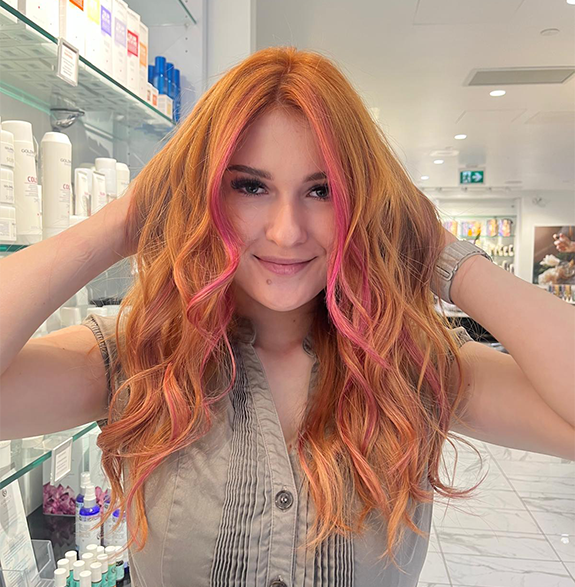
Coloring hair at home has become increasingly popular, with more people skipping salon visits to save time and money. While at-home hair coloring kits seem simple and cost-effective, they have risks and challenges. The results can vary, and without professional guidance, you might end up with hair that doesn’t look or feel the way you wanted. From hair damage to unexpected colors, at-home coloring might save money but can lead to issues requiring even more investment. This article explores the possible risks of DIY hair coloring, helping you understand the effects and make a more informed choice.
Potential Damage to Hair Health and Texture
One of the main concerns with at-home hair coloring is its effect on hair health and texture. Chemicals in store-bought dyes, like peroxide and ammonia, can weaken hair strands. These chemicals lift your natural color before adding the new shade, leaving your hair dry and rough. If you already have dry or damaged hair, at-home coloring can worsen the condition, making it prone to breakage and split ends. Frequent dyeing without proper care can lead to irreversible damage, making your hair look and feel unhealthy.
Challenges of Achieving the Right Shade
Selecting the perfect hair color from a box isn’t as simple as it seems. The shade on the box often looks different from the final result due to various factors, such as natural hair color and porosity. When applying hair color at home, people sometimes find their hair turns out lighter, darker, or with unwanted tones. For instance, a blonde color might look brassy, or a brown shade may be too warm. Achieving the desired shade requires an understanding of color theory, which professionals are trained in. Without this knowledge, you could have results that don’t match your expectations.
Uneven Application and Patchy Results
Applying hair dye evenly, especially to the back of the head, can be tricky without assistance. Without the right technique, you might miss sections or apply too much product in one area, resulting in an uneven look. Patchy hair color can be challenging to fix and often requires a professional to correct the mistakes. Uneven application is especially common with lighter colors or highlights, where precision is essential. Many people attempt to do highlights or balayage techniques at home, only to find that they lack the skill to achieve a smooth, natural look.
Risk of Allergic Reactions to Chemicals
Particularly among those with sensitive skin, hair colors include a variety of chemicals that could irritate or induce allergic responses on the skin. Known to set off allergic responses, ingredients including paraphenylenediamine (PPD) cause redness, itching, and sometimes swelling. If you have never done hair dye, it is advised to do a patch test at least 48 hours before coloring your whole head. This helps determine if you have any adverse reactions to the dye. Skipping this step can result in uncomfortable and potentially severe reactions. See a doctor immediately if you have swelling, burning, or itching.
Long-Term Impact on Hair Growth
Repeated coloring, especially with permanent dyes, can affect your hair’s growth cycle. The chemicals in hair color could weaken the hair shaft and harm the follicles, slowing down hair growth or perhaps causing hair thinning over time. People who dye their hair frequently, particularly with strong, permanent dyes, may notice their hair becoming weaker and growing more slowly. Over time, this can affect hair volume, leaving it looking thinner. Give your hair breaks between color treatments to let it recuperate, and restrict your usage of permanent colors to help reduce these effects.
Difficulty Correcting Color Mistakes
Mistakes in at-home hair coloring can be challenging and costly to fix. While professionals have the skills to correct color issues, these fixes often require multiple sessions and can be harsh on your hair. For example, if you accidentally dye your hair too dark, it might require a color-correction treatment, which involves stripping the dark pigment. These treatments can be particularly damaging, as they use strong chemicals to remove color. Color corrections can also be expensive, often costing more than an initial salon color appointment. Correcting mistakes at home could aggravate the situation and cause more harm and expenses.
Impact of Chemical Build-Up on Hair
Using multiple hair dye products over time can lead to chemical build-up. This happens when the hair is repeatedly exposed to harsh chemicals, making it more vulnerable to breakage and dullness. Chemical build-up can also prevent hair from absorbing moisture properly, leaving it dry and brittle. People who frequently change their hair color, especially those who switch between light and dark shades, may experience this issue. To prevent build-up, it’s essential to take regular breaks from coloring and use deep-conditioning treatments to help restore the moisture balance in your hair.
The Effects of Hair Coloring on Scalp Health
Frequent hair coloring can also impact your scalp’s health. Certain components in hair color can rob your scalp of natural oils, which would cause dryness, flakiness, or irritation. For those with sensitive or already dry scalps, at-home hair dyeing can aggravate these issues, causing discomfort and itching. Over time, a damaged scalp can lead to weaker hair roots, which affects overall hair health. If you experience dryness or irritation after coloring, consider using scalp-friendly treatments or consulting a professional who can suggest products to soothe your scalp.
Limited Options for Complex Coloring Techniques
At-home kits are designed for simple color applications like all-over color or root touch-ups. When it comes to advanced techniques like balayage, ombre, or multi-tonal color, achieving salon-quality results can be challenging without professional tools and experience. These methods call for accuracy and knowledge of color mixing—qualities absent from at-home kits. Trying to recreate complex styles without experience can lead to disappointing results that are often difficult to fix without a salon visit. These methods call for accuracy and knowledge of color mixing—qualities absent from at-home kits.
Potential Cost of Fixing DIY Hair Mistakes
While at-home hair dyeing might initially seem budget-friendly, the cost of fixing any mistakes can quickly add up. Corrections often require multiple treatments, which can be more expensive than a regular salon coloring session. For example, if you use a box dye and end up with a shade that’s too dark or has unwanted tones, correcting it could involve a color removal process, a toner, and possibly a new color application. This correction can end up costing more than a professional service. Many people find that the savings of at-home coloring aren’t worth the potential cost of fixing mistakes.
Limited Support for Maintaining Healthy Hair
Professionals provide after-care guidance to help maintain the health and vibrancy of your hair color. With at-home kits, however, such support is lacking. Knowing how to care for colored hair is essential, as it requires specific products and practices to prevent fading and dryness. Without expert advice, many people unknowingly use products that strip color or cause damage, leading to a dull appearance and brittle texture. Maintaining your hair’s health and color lifetime will depend much on the shampoos, conditioners, and heat-protection treatments you use.
Final Thoughts: Weighing the Risks and Rewards
At-home hair coloring offers convenience and affordability but comes with risks that can affect the look and health of your hair. While some people achieve satisfactory results, others find that the potential damage and complications outweigh the benefits. If you’re new to hair dyeing, visiting a professional, at least for your first experience, may be worth visiting to see what’s involved in the process. For those who prefer the DIY route, always follow instructions carefully, conduct patch tests, and consider using semi-permanent dyes that are gentler on the hair. Knowing these hazards will enable you to choose the best course of action regarding your hair.